
On this month's Special Page:
Author and filmmaker Nicholas Tana writes a survival guide to help you navigate the brutal world of modern horror filmmaking!
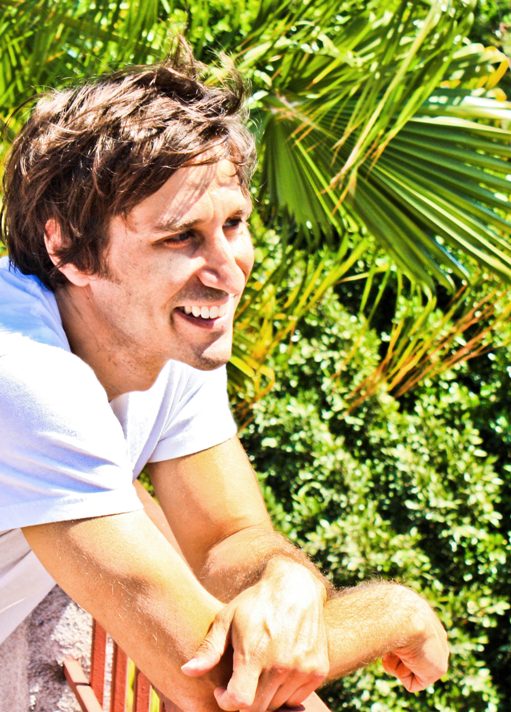
Nicholas Tana is an award-winning screenwriter, director, and producer whose work frequently explores the intersection of dark satire and the macabre. As a regular contributor to this publication, he brings a unique, cynical wit to the world of genre fiction.
A versatile storyteller, Tana is a Disney-published author who has successfully navigated everything from major studio projects to the gritty world of independent horror. He is the creator of Hell’s Kitty, a horror-comedy franchise inspired by his real-life experiences with a "possessed" feline. The project—which features an ensemble of horror icons including Adrienne Barbeau, Doug Jones, and Michael Berryman—spans a popular web series, a graphic novel, and a feature film.
His latest venture, CorporateZombieSurvival.com, offers a biting, satirical look at the "undead" nature of modern office culture, providing a survival guide for those trapped in the cubicle-bound afterlife. Tana further explores the dangers of the near-future in his acclaimed cyberpunk graphic novel eJUNKY, a gritty examination of humanity’s addiction to technology.
From directing documentaries like Sticky: A (Self) Love Story or We Are Animals to crafting supernatural thrillers, Tana’s work remains defined by a sharp eye for the eccentricities of the human condition.
Blood, Sweat, and Celluloid: A Survival Guide to Modern Horror Filmmaking (Practical Edition)
by Nicholas Tana
The image is seared into my memory: a dilapidated Colonial house, shrouded in mist, its windows like vacant eyes staring out into the encroaching darkness. It was my first attempt at a horror film—just me, a clunky camcorder, and my friend’s old VHS video camera. We were ambitious, maybe a little naive, but we burned with a passion to bring our terrifying visions to life. Back then, “special effects” meant smearing ketchup on a white sheet and hoping it looked convincing. Editing? That happened in-camera, with actors freezing mid-scream while I fumbled with the pause button.
My passion for filmmaking was sparked decades ago as an intern for PBS at ASU. I climbed the ladder quickly, eventually rising to Associate Director at ESPN. But at 26, I walked away from a solid, high-profile television career because I was directing sports—not making movies. That choice led me to launch my own production company, and it showed me the simple truth: the path to making your own horror film is paved with relentless personal sacrifice.
Today, filmmaking tools are more accessible than ever, but the path to cinematic terror is still lined with technical nightmares, financial demons, and the ever-present fear that your vision will be lost in the digital void. But fear not, fellow fiend! Consider this your survival guide to navigating the brutal world of modern horror filmmaking. Forget the romanticized notion of Hollywood glamour. You’re a scrappy survivor, hacking your way through the digital jungle. The old rules are dead, replaced by a chaotic ecosystem where creativity battles against budget constraints and distribution nightmares. But with the right strategy, you can carve out your own corner of cinematic horror.
Conjuring the Script: The Genesis of Terror
Your film’s foundation is its script—the blueprint for your nightmare, etched in digital ink. Don’t settle for clichés. Dig deep. Unearth the primal fears lurking in the human psyche. Write with feverish intensity, channeling the raw energy of your nightmares.
Use Final Draft (finaldraft.com) or WriterDuet (writerduet.com) to craft a script that drips with authenticity. Get feedback from trusted collaborators who can offer constructive criticism without dismantling your vision. CoverflyX (coverfly.com) is a great place to get free script feedback. Study indie horror hits like The Babadook or It Follows—break down their tension-building techniques and character depth. A weak script is a sinking ship, doomed from the start. Start writing today!
Assembling the Coven: Pre-Production and the Unholy Alliance
Filmmaking is a collaborative ritual, a dark pact forged in the fires of shared passion. Assemble a team of like-minded individuals—each with a unique skill set. Find a cinematographer who can paint with shadows, a sound designer who can weave a tapestry of dread, and actors who can bring your haunted characters to life.
Let’s be honest: the industry is a fortress. Breaking in is less about getting a lucky phone call and more about proving you can already do the job. The difficulty is immense, but the biggest obstacle is often you. When I left ESPN to pursue filmmaking, I spent years directing commercials, marketing, and training videos. That wasn't my passion, but it was the necessary grind that provided the technical skills and (eventually) the small pockets of funding for my personal projects.
My first documentary film, Sticky: A (Self) Love Story, had a much larger budget than Hell's Kitty, but even that wasn’t enough. When the 2007 market crash hit, my investors backed out. I was forced to finish that film over seven years, working only on weekends and on the side. This repeated lesson—that funding often disappears—is the core reality of independent film. I broke in by converting a short web series into a feature film, shooting on weekends and leveraging every personal asset I had, which proved to industry figures that my idea was viable.
For funding, turn to Kickstarter or Indiegogo for micro-budgets or explore small grants for indie filmmakers. I also successfully leveraged contacts at the L.A. Film School, where my producing partner was a student, to find skilled, passionate crew members willing to work for experience and credit. The creative angle is currency: we embraced the low-budget aesthetic, leaning heavily into the comedy side of the horror-comedy genre. We called attention to our own technical issues, working them into the strange surreality of the world as an homage to DIY horror. This originality and "chutzpah" helped attract the attention of named talent who loved our artistic, offbeat approach. To make the project even more attractive, I aligned the film with non-profits like Fixed Nation, which promotes cat welfare. By tying the film to a cause, people were willing to work cheaper because the focus was on a mission, not a massive payday.
Location scouting becomes a macabre treasure hunt—use Google Maps Street View to pre-scout. Cast with care using Actors Access or Backstage and conduct virtual auditions via Zoom. Minimize costs by shooting in a single, easily accessible location—my own apartment served as our primary set for five years, eliminating costly company moves. Build your team now—because horror isn’t made alone.
The Ritual of Filming: Production and the Descent into Madness
The set is your battleground. Prepare for long hours, unexpected challenges, and the constant threat of technical glitches. Embrace the chaos, adapt to the unexpected, and keep your focus on telling a compelling story.
Gone are the days of needing bulky, expensive equipment. Today, you can shoot in 4K on a smartphone using Filmic Pro. For a newcomer, the essential kit is simple: a modern DSLR (like the Sony a6400 or a used Canon), a solid tripod, and above all, professional audio gear. Invest in sound—bad audio will kill a horror film faster than bad lighting. A Zoom H6 recorder or RØDE NTG3 shotgun mic can make a world of difference. Forget the Blackmagic 6K until you have a real budget; master the gear you can afford first.
Your schedule must bend to reality. Because I shot over five years and needed to coordinate with iconic horror actors who had full schedules, I structured the script so they could come in for brief, impactful guest roles. This allowed us to leverage celebrity talent without demanding lengthy, costly commitments. Crucially, I relied on friends—and even my cat—as main actors, who were both available and affordable!
Continuity became its own monster. My main actors aged, gained weight, and got different haircuts. Instead of hiding it, we wrote these changes into the script, referencing their evolving appearances as part of the comedic magic. If you face an insurmountable constraint, make it a creative asset.
Practical effects still reign supreme. Study the visceral horror of The Thing or Evil Dead—real blood and guts (even if they’re just corn syrup and food coloring) often trump CGI. Now, go capture your nightmare.
Stitching the Nightmare Together: Post-Production
Filming is only half the battle—the real horror happens in post-production. This is where you become a digital Frankenstein, stitching together your cinematic monster.
Cut with precision using DaVinci Resolve (free) or Adobe Premiere Pro (industry standard). Pacing is everything: every cut should build tension; every transition should serve the story. Sound design amplifies fear—use horror-centric sound libraries like Epidemic Sound or Soundly to craft an immersive auditory experience.
Visual effects are the final touch. HitFilm Express or Blender (free) can add haunting flourishes to your film. Study Hereditary and A Quiet Place to understand how sound and editing elevate horror beyond mere jump scares.
Unleashing the Beast: Distribution in the Digital Wasteland
Your film is complete—a terrifying testament to your vision. But now comes the hardest part: getting it seen.
Identify your audience. Are they hardcore horror fans, or do you aim for a broader appeal? Submit to genre-specific streaming platforms like Amazon Prime Video Direct or indie distributors like Terror Films. Festivals are your battlefield—submit to Screamfest, Fantastic Fest, or Nightmares Film Festival using FilmFreeway.
If you aligned your film with a nonprofit, leverage that partnership in promotion. Journalists are more likely to cover a project tied to a cause. A strong narrative behind your film can make it irresistible to both fans and the press.
Consider self-distribution through Vimeo On Demand or YouTube Movies. Social media ads targeted at horror fans can drive traffic to your film. Strategy is survival.
The Echoes of Terror: Marketing and Promotion
In an oversaturated market, your film must scream to be heard. A solid marketing plan is key.
Engage your audience with cryptic teasers, behind-the-scenes content, and eerie character spotlights. Collaborate with horror bloggers, podcasters, and influencers. Create a simple, chilling website featuring your trailer, cast, and release info.
Consider viral marketing—post unsettling teaser clips on TikTok or YouTube Shorts. A clever, consistent campaign can turn casual viewers into die-hard fans.
Surviving the Aftermath: Lessons from the Abyss
The credits roll. The lights come up. Your film enters the world. Embrace the feedback—both praise and criticism. Engage with your audience, respond to comments, and learn from your mistakes.
The ultimate lesson from the abyss is this: your career will likely be defined by persistence, not a single lucky break. Whether it took seven years to finish my documentary or five to complete Hell's Kitty, the goal was never to get a big budget—it was to finish. You don’t need a million dollars to make a feature. You need a compelling script, the willingness to shoot in your own space, the humility to ask for help, and the endurance to see it through. Persistence is your best equipment. Horror is a journey, not a destination. Each film is a steppingstone, a lesson learned, a nightmare shared.
Now, go forth and create! The world needs more nightmares.